Osteopathy
What is Osteopathy?
Andrew Taylor Still MD. D.O is considered the father of Osteopathy and Osteopathic medicine.
He was born in Lee County, Virginia in 1828, the son of a Methodist minister and physician. After the Civil war and following the death of three of his children from spinal meningitis in 1864, Still concluded that orthodox medical practices of his day were frequently ineffective and sometimes harmful. He devoted the next 30 years of his life to studying the human body and finding alternative ways to treat disease.
Today Osteopathy is an established system of diagnosis and treatment of problems in the musculo-skeletal system i.e. our bones, joints, muscles, ligaments and connective tissues and the way this inter relates with the body as a whole.
It combines the medical knowledge of anatomy, physiology and clinical methods together with osteopathic principles and technique to restore a patient to optimum health.
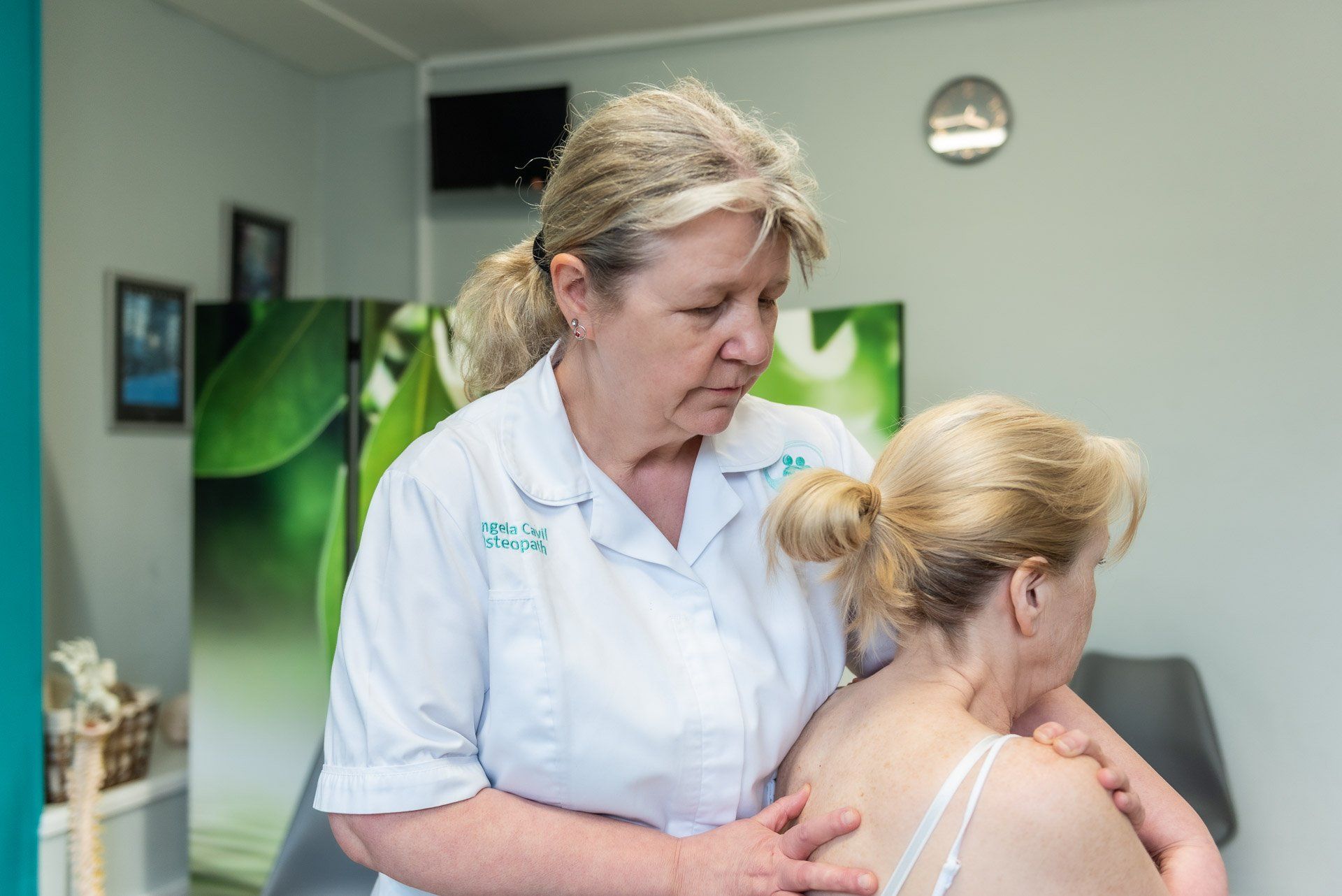
An osteopath uses their palpatory skills ( i.e. feeling with their hands) to find areas of the body which are not functioning properly, and then use soft tissue massage, articulatory and mobilsation techniques (the audible “click” associated with osteopathy) to adjust areas of the body, thus improving function. As the spine is closely related to the nervous system, and the nervous system supplies our muscles and organs, then improvement of spinal function can result in improvement of organ function and hence an overall improvement of health.
The title ‘osteopath’ is protected by law since the passing of the osteopaths Act in 1993 and all osteopaths are registered with the General Osteopathic Council (GOsC). As part of this registration we all have to undergo 90 hours of continual professional development (CPD) over a three year cycle. All of our osteopaths are registered.

Why people believe in us
What we can treat...
- Hip, knee, ankle & foot pain
- Muscle pain, spasm, cramp
- Arthritic pain & rheumatic pain
- Neck pain, torticollis & jaw problems
- Back Pain & Lumbago
- Sciatica, Neuralgia & "trapped nerves
- Numbness & "pins and needles"
- Headache and migraine
- Shoulder pain & "frozen shoulder"
- Elbow pain & tennis/golfers elbow
- Wrist & hand pain
- Minor sports injuries
- "Restless leg" syndrome
- Sacroiliac strain
- Rib strain
- Back pain in pregnancy
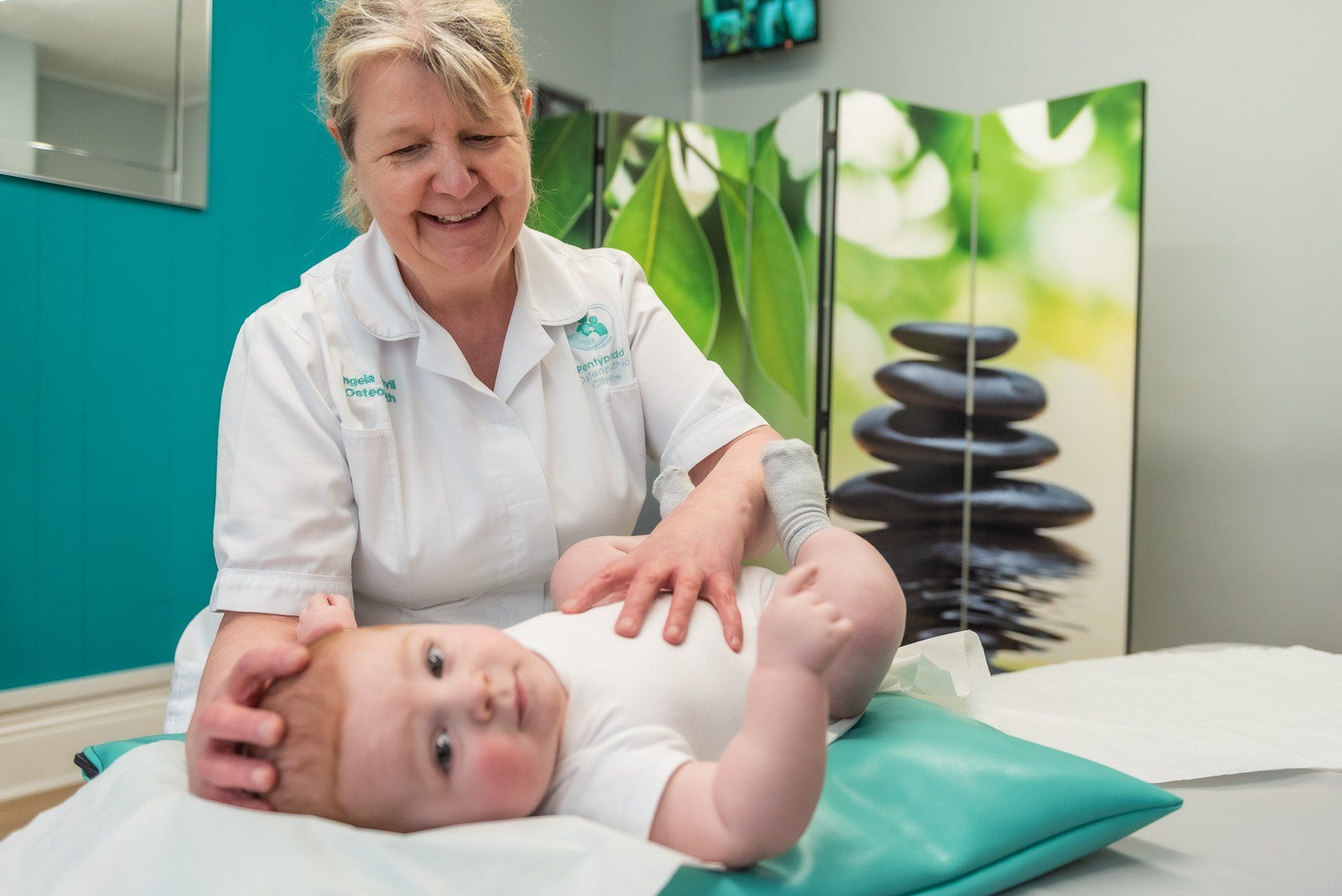
- Babies and children
Osteopathic Team
Angela Cavil D.O.
Angela Cavil graduated from the British School of Osteopathy in 1988, over the years Angela has trained in cranial osteopathy, acupuncture and sports taping.
Angela enjoys treating patients of all ages from the cradle to grave, now seeing the grandchildren of the early patients. She divides her working week between running a busy multi-disciplinary clinic, mentoring her associates and treating patients with acute and chronic pain.
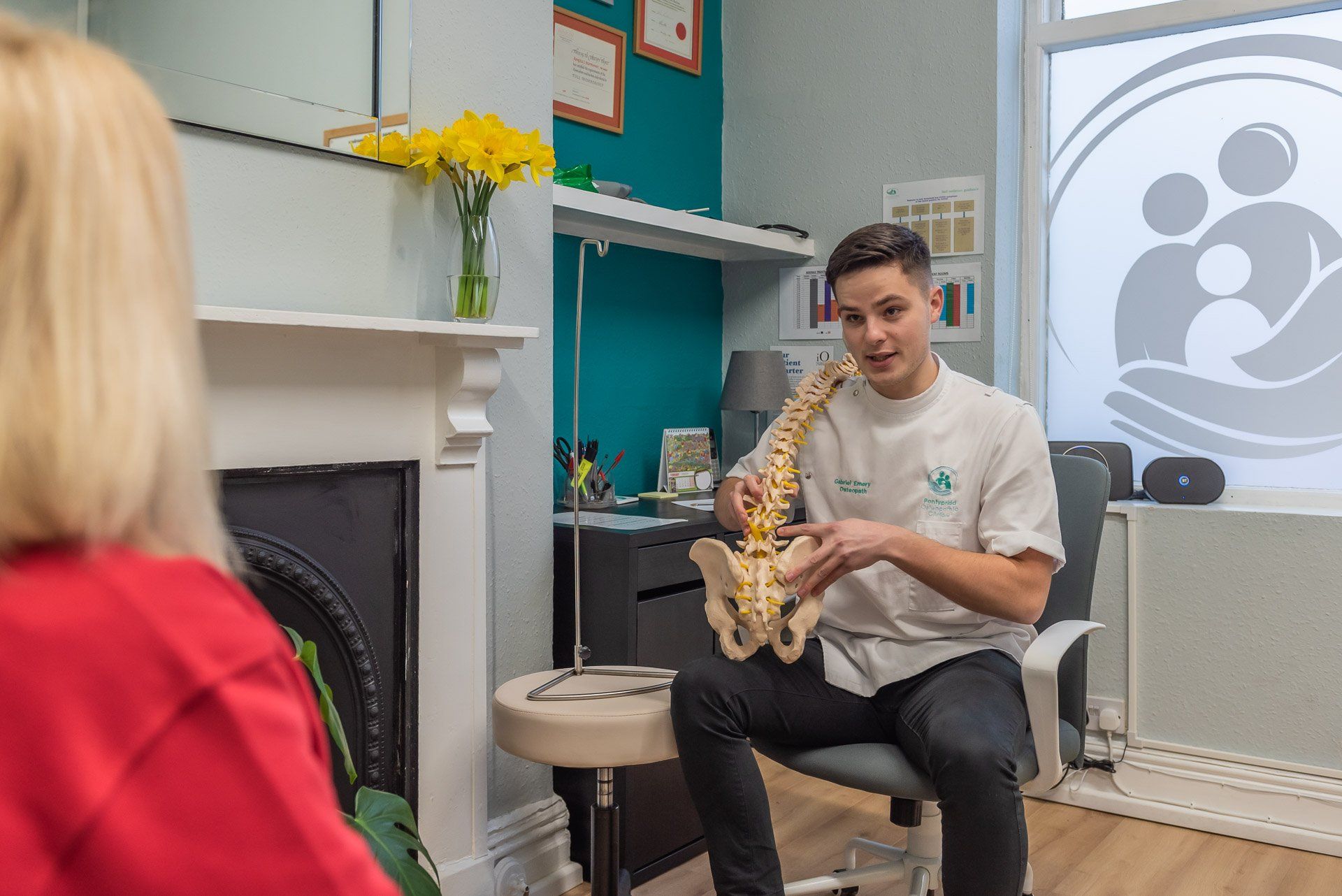
Gabriel Emery MOst (Hons)
Gabe Emery graduated from Swansea University in 2020. He enjoys treating people of all ages with a variety of conditions but has a special interest in nerve entrapment pathologies like sciatica.
Gabe chose osteopathy because he loves the idea that Osteopaths can treat musculoskeletal conditions without the need for medication.
Kim Tuhill MOst (Hons)
Kim Tuhill graduated from Swansea University in 2021 and has undergone extensive training in cranial osteopathy. She enjoys treating all kinds of conditions but gets particularly excited about feet and babies. She also enjoys treating people with chronic neck pain.
Kim chose osteopathy because she had experienced the amazing effect it can have on both herself and her daughter when she was a baby.
"The varied techniques available to us practitioners means that one size doesn't have to fit all and we can adapt to suit a patients individual needs."
Refer a friend
Copyright Pontypridd Osteopathic Clinic Ltd 2022
Website Sorted Web Design. Login | Privacy | Sitemap | Complaints